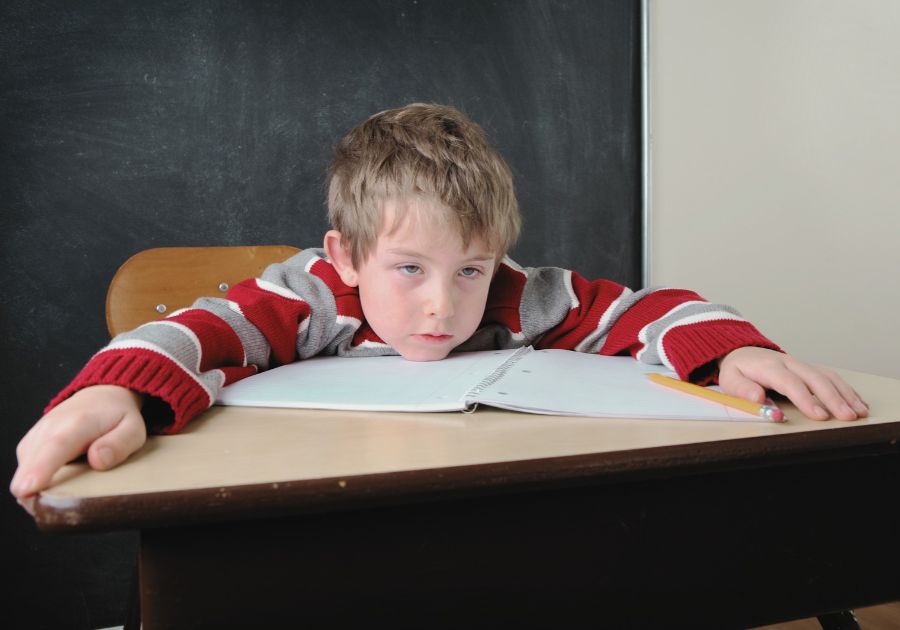
Children with attention-deficit/hyperactivity disorder (ADHD) may struggle to focus, follow directions, manage their emotions, or control impulsive behavior. These challenges can affect school performance, friendships, family relationships, and everyday routines. With the right support, children with ADHD can develop skills that help them feel more confident and better manage daily responsibilities.
ADHD treatment for children in Buffalo and St. Michael may include counseling, behavioral strategies, parent support, and psychiatric medication management. Every child has different needs, so treatment should reflect the child’s age, symptoms, strengths, and challenges. Some children benefit from counseling and practical strategies, while others may benefit from a combination of counseling and medication management. These approaches can also support adolescents as their academic, social, and personal responsibilities grow.
Northwest Family Counseling provides counseling at its Buffalo and St. Michael offices, as well as online. Families seeking support for a child can explore counseling options tailored to their child’s needs. Psychiatric medication management is available at the Buffalo and Hutchinson offices and online.
Recognizing ADHD Symptoms in Children
ADHD affects how a child regulates attention, activity, and impulses. Symptoms can look different from one child to another, and they may change as children grow. Some children primarily struggle with inattention, while others experience hyperactivity and impulsivity. Many experience a combination of symptoms.
Children with inattentive symptoms may have difficulty listening when someone speaks to them, remembering instructions, completing assignments, or keeping track of their belongings. They might appear distracted or frequently move from one activity to another without finishing what they started. These behaviors can be frustrating for children who are trying to keep up but find it difficult to stay organized.
Hyperactivity and impulsivity may appear as constant movement, excessive talking, difficulty waiting, interrupting others, or acting before thinking through the consequences. A child may struggle to remain seated in class, wait for a turn during a game, or pause before reacting when upset.
These symptoms can affect more than schoolwork. Children with ADHD may experience conflict with siblings, difficulty maintaining friendships, or frustration when routines do not go as planned. Some may begin to believe they are not capable simply because everyday tasks require more effort for them.
Adolescents with ADHD may experience similar challenges, although symptoms can become more noticeable when schoolwork, time management, and independent decision-making become more demanding.
Not every child who is energetic, distracted, or impulsive has ADHD. A qualified professional can help determine whether a child’s symptoms may be related to ADHD or another concern.
Why Early ADHD Treatment Matters
When ADHD symptoms interfere with a child’s daily life, early support can help families understand what is happening and identify strategies that fit the child’s needs. Without appropriate support, repeated difficulties at school or home may contribute to frustration, low self-esteem, and strained relationships.
Children with ADHD often hear frequent reminders to slow down, pay attention, finish their work, or think before acting. Although adults may intend to help, repeated correction can leave children feeling as though they are always doing something wrong. Over time, some children may become discouraged or avoid tasks they expect to be difficult.
ADHD treatment for children can help families look beyond the behavior itself and understand the skills a child may need to develop. Instead of viewing every missed instruction or unfinished task as a lack of effort, parents and caregivers can learn ways to provide structure, reinforce progress, and respond consistently.
Early support may also help children build habits that become useful as they grow. Skills such as managing frustration, organizing school materials, breaking assignments into smaller steps, and asking for help can support children throughout their education.
For families in Buffalo and St. Michael, MN, counseling can provide a place to explore the challenges ADHD creates at home, at school, and in relationships. Support can be adjusted as children develop and their needs change.
Adolescents may need to revisit these strategies as they become more independent and face increased academic and social expectations. Treatment can evolve alongside the child, with attention to changing needs and goals.
ADHD Treatment Options for Children
There is no single treatment approach that works for every child with ADHD. Effective care begins with understanding the child’s symptoms, the settings in which difficulties occur, and how those symptoms affect everyday functioning.
Depending on the child’s needs, treatment may include counseling, behavioral strategies, parent guidance, school-based support, medication management, or a combination of approaches.
Counseling can help children develop emotional regulation, problem-solving, and coping skills. Parents may also benefit from learning how to establish predictable routines, set realistic expectations, and respond to challenging behavior in constructive ways.
Medication management may be appropriate for some children. A qualified provider can discuss potential benefits, possible side effects, and whether medication may be a suitable part of the child’s treatment plan.
The goal is not to change a child’s personality or eliminate every challenging behavior. Instead, treatment aims to help children manage symptoms, build useful skills, and participate more comfortably in family life, school, and relationships.
Families exploring ADHD treatment in Buffalo and St. Michael can begin by considering which challenges are having the greatest effect on their child’s daily life. Some children may need help with emotional regulation or relationships, while others may struggle most with attention, organization, or completing tasks. Understanding these concerns can help families discuss appropriate treatment options with a qualified professional.
Treatment decisions should take into account the child’s developmental stage, individual circumstances, and response to different interventions. As children grow into adolescents, their goals and support needs may change.
Counseling for Children With ADHD
Counseling can be an important part of ADHD treatment for children, particularly when symptoms contribute to emotional distress, behavior challenges, or difficulties with relationships.
Children may have trouble recognizing when they are becoming frustrated or understanding how their reactions affect others. Counseling can help them identify emotions, practice coping strategies, and learn more constructive ways to respond to difficult situations.
For example, a child who becomes overwhelmed by homework may benefit from learning how to recognize frustration before it escalates. With support, the child can practice taking a brief break, asking for clarification, or dividing a large assignment into manageable steps.
Children who act impulsively may work on pausing before responding, considering possible outcomes, and practicing ways to handle disagreements. These skills can be useful at home, in the classroom, and when interacting with friends.
Counseling can also help children who experience anxiety, sadness, low self-esteem, or frequent conflict alongside ADHD symptoms. When a child repeatedly struggles to meet expectations, emotional support can help them understand their strengths and develop a more balanced view of themselves.
Families looking for counseling in Buffalo or St. Michael, MN, can explore the options available through Northwest Family Counseling’s services. Counseling is available at both offices and online, providing families with options for accessing support.
How Parents Can Support ADHD Treatment
Parents and caregivers play an important role in helping children practice new skills outside counseling sessions. A predictable home environment can make everyday expectations easier to understand and follow.
Simple strategies may include maintaining consistent routines, giving clear instructions, dividing larger tasks into smaller steps, and recognizing effort as well as accomplishments. Visual schedules, reminders, and organized spaces can also help children remember what they need to do.
It is often more effective to focus on one or two achievable goals at a time than to expect a child to change several habits at once. For example, a family might first work on establishing a consistent morning routine before adding new expectations around homework or household responsibilities.
Parents may also benefit from adjusting how they respond to difficult moments. Calm, clear communication and consistent boundaries can help reduce unnecessary conflict while allowing children to practice self-control and problem-solving.
For parents in Buffalo and St. Michael, counseling can offer an opportunity to discuss the challenges they are experiencing and identify practical ways to support their child. The aim is to help families build approaches that fit their routines and their child’s needs.
These strategies can remain useful for adolescents, although older children may need more involvement in setting goals and deciding which approaches work best for them.
ADHD Medication Management for Children
For some children, medication may be an appropriate component of ADHD treatment. ADHD medications can help reduce certain symptoms, making it easier for children to focus, manage impulses, and participate in everyday activities. However, medication is not necessary or appropriate for every child, and treatment decisions should be made with a qualified medical provider.
Medication management involves more than selecting a medication. A provider reviews the child’s symptoms, medical history, current concerns, and treatment goals. Families can discuss expected benefits, possible side effects, and questions about how medication may fit into the child’s overall care.
Follow-up appointments are important because children may respond differently to medication. A provider can monitor progress, discuss concerns, and determine whether adjustments may be appropriate. Parents and caregivers can help by sharing observations about changes in attention, behavior, sleep, appetite, mood, and daily functioning.
Medication decisions should be individualized. The right approach depends on the child’s needs, health history, and response to treatment. Parents should consult the prescribing provider before making changes to a child’s medication.
Medication management may also be considered for adolescents with ADHD, whose needs can change as they take on greater responsibility for schoolwork, activities, and daily routines.
Northwest Family Counseling offers psychiatric medication management at its Buffalo and Hutchinson offices and online. Families can learn more about psychiatric medication management and contact the practice to discuss available services and whether they are appropriate for their child’s age and needs.
Helping Children With ADHD at Home and School
Children with ADHD often benefit when the adults in their lives use consistent expectations and communicate with one another. Parents, teachers, and care providers may each notice different challenges, so sharing relevant observations can help families identify patterns and determine where additional support may be useful.
At home, children may find it easier to complete responsibilities when instructions are specific and manageable. Rather than giving several directions at once, parents can provide one step at a time and check that the child understands what to do. Establishing regular places for school materials, backpacks, and other belongings may also reduce daily stress.
At school, a child may benefit from strategies that make instructions easier to follow, reduce distractions when possible, and break longer assignments into smaller tasks. Families can communicate with school staff about concerns and explore appropriate supports based on the child’s circumstances.
It is also important to recognize that ADHD affects children differently. One child may struggle most with staying seated and waiting, while another may quietly lose track of instructions or have difficulty finishing work. Support should reflect the individual child rather than rely on a single set of expectations.
For families in Buffalo and St. Michael, counseling can help parents consider how ADHD symptoms affect their child across different settings and explore ways to reinforce useful skills at home. Consistency between home and school can make expectations easier for children to understand.
As children grow into adolescence, organizational demands often increase. Older students may need support with planning long-term assignments, keeping track of deadlines, and balancing school with extracurricular activities. Helping them practice these skills gradually can encourage independence without expecting them to manage everything at once.
When Should Parents Seek Professional Help for ADHD?
Parents may want to seek professional guidance when a child consistently struggles with attention, activity level, impulsivity, or emotional regulation in ways that interfere with everyday life. Concerns may arise when teachers frequently report difficulties, homework becomes a source of ongoing conflict, friendships are affected, or the child appears increasingly frustrated or discouraged.
It is especially helpful to seek support when symptoms occur across different settings or seem more persistent than expected for the child’s developmental stage. A professional can help families understand whether the concerns may be related to ADHD and whether additional assessment or treatment could be beneficial.
Other concerns may occur alongside ADHD, including anxiety, mood difficulties, learning challenges, or sleep problems. These issues can affect how a child feels and functions, so it is important to consider the broader picture rather than focusing on attention alone.
Parents do not need to wait until problems become severe before asking for help. Early conversations with an appropriate provider can help families understand their options and decide on reasonable next steps.
Families in Buffalo and St. Michael can contact Northwest Family Counseling to learn about available counseling services for children. Adolescents may also benefit from support when ADHD symptoms begin affecting academic performance, relationships, emotional well-being, or the transition toward greater independence.
ADHD Treatment for Children in Buffalo and St. Michael, MN
Finding the right support can help children with ADHD build skills, navigate challenges, and feel more confident in their everyday lives. Treatment may involve counseling, medication management, or a combination of approaches based on the child’s individual needs.
Northwest Family Counseling provides counseling for children and families at its Buffalo and St. Michael offices, as well as online. Families can explore counseling options to help children work through ADHD-related challenges, strengthen coping skills, and improve daily functioning. One common treatment modality used is play therapy.
Psychiatric medication management is available at the Buffalo and Hutchinson offices and online. Families interested in medication management can contact the practice to learn more about available services and determine whether they may be appropriate for their child.
If your child is struggling with attention, impulsivity, emotional regulation, or daily routines, professional guidance can help you better understand the challenges and explore options for support. The same process can help adolescents as they face changing expectations at school, at home, and in their relationships.
To learn more about services or discuss available options, contact Northwest Family Counseling.