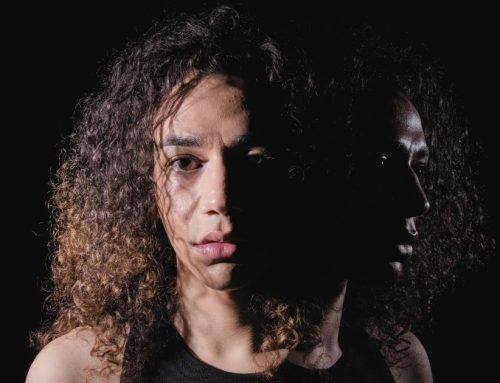
Counseling for singleness can help you navigate loneliness, dating challenges, relationship expectations, and questions about the future. Whether you hope to marry someday or are learning to embrace life as a single adult, counseling can help you build confidence, understand your relationship patterns, and develop meaningful connections.
For individuals throughout the Twin Cities metro area, singleness can bring both opportunities for personal growth and difficult emotions. You may feel pressure as friends marry and start families, struggle with repeated dating disappointments, or wonder how your faith shapes your hopes for a relationship. Counseling offers a supportive place to explore these concerns and move forward with greater clarity.
At Northwest Family Counseling, counseling can provide an opportunity to work through personal challenges, strengthen emotional well-being, and develop healthier relationships. Whether you are adjusting to life after a breakup, feeling discouraged about dating, or exploring your hopes for marriage, professional support can help you approach this season with greater understanding.
Why Can Singleness Be Emotionally Challenging?
Singleness does not affect everyone in the same way. Your experience may depend on your age, previous relationships, family expectations, personal beliefs, and whether being single is something you have chosen or something you wish were different.
Someone who recently ended a long-term relationship may be grieving the loss of a partner, shared routines, and plans for the future. Someone who has been single for several years may feel discouraged by repeated dating disappointments. Another person may feel comfortable being single but experience pressure from family members who frequently ask when they plan to get married.
These experiences can bring up difficult emotions, including sadness, anxiety, insecurity, and a sense of being left behind. Social gatherings, weddings, holidays, and conversations about relationships can intensify those feelings. Even when you enjoy your career, friendships, and personal interests, you may still experience loneliness or wish you had someone with whom to share everyday experiences.
Living in a large metropolitan area with opportunities for social connection does not automatically make loneliness disappear. You can be surrounded by people and still struggle to find the deeper connection you want. Comparisons with friends and acquaintances can also become discouraging, especially when others appear to be reaching relationship milestones you had hoped to experience yourself.
Counseling can help you examine these feelings without judgment. Rather than assuming your relationship status reflects your worth, you can learn to challenge unhelpful comparisons, recognize your emotional needs, and develop a healthier perspective on your current circumstances.
How Counseling for Singleness Can Help
Counseling for singleness offers a supportive setting to explore your emotions, identify personal goals, and understand the relationship experiences that have shaped you. The purpose is not to convince you that you should remain single or push you toward finding a partner. Instead, counseling helps you make thoughtful decisions about your life and relationships.
Processing Loneliness, Disappointment, and Uncertainty
Loneliness can be difficult to discuss, particularly when it seems as though everyone around you is in a relationship. You may feel embarrassed about wanting companionship or believe you should be more independent. You might also hesitate to share your feelings because you do not want friends or family members to respond with unsolicited advice.
A counselor can help you explore these emotions and identify what you need. Sometimes loneliness reflects a desire for romantic companionship. In other situations, it may point to a need for deeper friendships, stronger community connections, or more meaningful daily experiences. Understanding the source of your feelings can help you determine what kind of support would be most useful.
Counseling also provides space to acknowledge disappointment without allowing it to define your outlook on the future. You can recognize that dating has been difficult or that a relationship did not work out while remaining open to new experiences and possibilities.
Building Self-Worth and Confidence
It can be tempting to measure your success by comparing your life with the lives of people around you. When friends become engaged, get married, or start families, you may begin to wonder whether you are falling behind. Over time, these comparisons can affect your confidence and influence how you view yourself.
Counseling can help you identify the beliefs that contribute to these feelings. You might discover that you have tied your sense of worth to being chosen by another person, meeting family expectations, or reaching certain milestones by a particular age. Recognizing these patterns creates an opportunity to develop a more balanced understanding of yourself.
Building confidence does not mean pretending you never feel lonely or convincing yourself that you do not want a relationship. It means learning to recognize your strengths, respect your needs, and make decisions that reflect your values. You can desire a committed relationship while also recognizing that your life has meaning and value in the present.
Understanding Relationship Patterns
Previous relationships often influence how people approach dating and emotional intimacy. If you have experienced rejection, betrayal, repeated conflict, or an unexpected breakup, you may find yourself becoming guarded or anticipating that future relationships will end the same way.
Counseling can help you explore these patterns and understand how they affect your choices. You may notice that you tend to pursue emotionally unavailable partners, avoid difficult conversations, struggle to establish boundaries, or feel uncomfortable when someone expresses genuine interest in you.
These patterns do not mean that something is wrong with you. They may reflect experiences and coping strategies that once helped you manage uncertainty or protect yourself from emotional pain. With greater awareness, you can begin developing healthier ways to communicate, respond to conflict, and build trust.
Building Healthy Relationships While Single in the Twin Cities
A meaningful life includes more than romantic relationships. Friendships, family connections, community involvement, personal interests, and opportunities to contribute to others can all provide a sense of belonging. Developing these areas of your life can help you feel more connected, regardless of your relationship status.
Throughout the Twin Cities metro area, building meaningful connections may require intentional effort. You might want to deepen existing friendships, reconnect with people you have lost touch with, or become more comfortable initiating social activities. You may also need to establish boundaries with people whose comments about your relationship status leave you feeling discouraged or inadequate.
Healthy relationships require an understanding of your own needs as well as respect for the needs of others. Learning to communicate directly, listen carefully, manage disagreements, and recognize unhealthy dynamics can strengthen friendships and future romantic partnerships alike. These skills are valuable whether you are currently dating, taking a break from dating, or not interested in pursuing a relationship.
If you hope to marry or build a long-term partnership, counseling can provide an opportunity to clarify what you want in a relationship. You can explore your expectations around communication, commitment, finances, family, personal values, and emotional availability. Understanding these priorities may help you make more intentional decisions when dating.
The goal is not to become a perfect partner before entering a relationship. Healthy relationships develop through ongoing learning, mutual respect, and a willingness to grow. Counseling can help you identify areas where you want to grow without creating unrealistic expectations for yourself.
Faith, Singleness, and Finding Purpose
For Christians, singleness can bring spiritual questions alongside the ordinary challenges of navigating relationships. You may wonder why marriage has not happened for you, whether you are missing God’s direction, or how to reconcile your desire for a spouse with your current circumstances. These questions can become especially difficult when people around you suggest that marriage is the natural next step or imply that being single means something is missing from your life.
Christian faith offers a perspective that can help individuals consider their identity, purpose, and relationships beyond marital status. Your value is not determined by whether you are married, and a meaningful life does not have to wait until a particular relationship begins. At the same time, wanting marriage is not something you need to dismiss or feel guilty about. You can appreciate the life you have while honestly acknowledging your hopes for the future.
Faith can provide connection and encouragement through church communities, friendships, service, and spiritual practices. However, faith does not eliminate loneliness or make disappointment disappear. You can trust God and still feel discouraged. You can be grateful for your life and still wish for companionship. Making room for these emotions allows you to approach your experience honestly rather than feeling pressure to appear content all the time.
For individuals throughout the Twin Cities metro who want their faith to be part of their mental health care, Christian counseling may offer an opportunity to explore these concerns in the context of their beliefs. You may want to examine expectations you have placed on yourself, process disappointment from past relationships, or consider how your faith influences your decisions about dating and marriage. Counseling can also help you distinguish your personal convictions from pressure coming from family, church culture, or comparisons with other Christians.
The goal is not to provide a simple explanation for why you are single or promise that marriage will happen if you follow a particular path. Instead, faith-informed counseling can help you navigate uncertainty, strengthen emotional well-being, and consider how to live according to your values in the present. Your season of singleness can include growth, meaningful relationships, service, and purpose, even when the future looks different from what you expected.
When to Consider Counseling for Singleness
You do not need to be experiencing a crisis to benefit from counseling. Sometimes, talking with a professional can help you understand your feelings before they become more difficult to manage.
Consider counseling if loneliness is affecting your mood, your confidence has declined because of repeated dating disappointments, or you find yourself comparing your life with others so frequently that it is difficult to appreciate your own experiences. Counseling may also be helpful if you are recovering from a breakup, struggling to trust potential partners, or noticing the same unhealthy patterns in multiple relationships.
You may benefit from counseling if you feel uncertain about whether you want a relationship at all. Family expectations, cultural messages, and the experiences of friends can make it difficult to distinguish your own desires from what you believe you are supposed to want. Counseling can help you explore those questions without pressuring you toward a particular decision.
For some people, singleness also overlaps with anxiety, depression, grief, or other emotional concerns. If these feelings persist, interfere with daily life, or make it difficult to maintain relationships and responsibilities, a mental health professional can help you determine what kind of support may be appropriate.
Counseling is not about finding a quick answer to every question. It is a process of understanding yourself more clearly, developing useful skills, and working toward a life that reflects your priorities.
Find Counseling for Singleness in the Twin Cities Metro
Being single does not mean your life is on hold. You can pursue meaningful goals, build close friendships, strengthen your emotional health, and explore the relationships you want to cultivate. You can also acknowledge that you want a partner without treating that desire as a weakness or a sign that your current life is incomplete.
Counseling for singleness can help you make room for both realities. You can work through disappointment while remaining hopeful, develop greater confidence while acknowledging insecurity, and prepare for future relationships without putting your life on hold until one begins.
Northwest Family Counseling provides an opportunity to explore personal challenges, relationship concerns, and emotional well-being. If you are in the Twin Cities metro area and are processing a breakup, working through loneliness, exploring your faith, or hoping to build healthier relationships, counseling may help you navigate this season with greater understanding.
If you are ready to take the next step, contact Northwest Family Counseling to explore available counseling services and discuss your needs. You do not have to wait until your struggles become overwhelming to seek support.